What is in Tap Water?
Local tap water typically meets federal and state drinking water standards, and it is usually far less expensive than bottled water. Still, many people wonder what is in tap water beyond H2O.
Where does tap water come from?
Depending on the location, tap water may come from groundwater, private wells, reservoirs, rivers, or other surface water sources such as the Potomac River. Public water systems generally collect water from protected sources, then use filtration, disinfection, and testing before sending it through local distribution pipes.
What substances can be found in tap water?
Tap water is treated to reduce harmful water contaminants, but treatment can also leave behind disinfectants such as chlorine or chloramine, along with minerals and trace compounds that affect taste and odor. What is in tap water can vary widely from one community to another.
Naturally occurring minerals
Common naturally occurring substances include calcium, magnesium, sodium, iron, and fluoride. Utilities may add fluoride to help prevent tooth decay.
Disinfectants and microorganisms
Chlorine or chloramine helps control bacteria and other microorganisms in the water system.
Trace contaminants and plumbing metals
Water may also contain very low levels of compounds from soil, runoff, plumbing materials, agricultural activity, or industrial sources. Regulated contaminants must remain below legal limits, but older pipes and household plumbing can sometimes contribute lead, copper, or other metals after the water leaves the treatment plant.
How can tap water affect taste and odor?
Restaurants often serve water straight from the tap, even when they emphasize the quality of their food. If the water has a strong chlorine taste, metallic flavor, or unpleasant odor, it can affect the overall dining experience. Some restaurants use point-of-use filters to improve taste and reduce certain compounds before serving water.
Water quality varies by location, the age of local pipes, and the treatment methods used by the water utility.
How is private well water different?
For homes served by private wells, water quality can be even more variable because private wells are not regulated in the same way as public drinking water systems. Well owners are generally responsible for testing their water and maintaining the well.
Why must all tap water meet drinking water standards?
Tap water is an essential public service. It is used to fight fires, wash clothes, flush toilets, water lawns, and take showers. Because utilities cannot know whether a particular gallon will be used for drinking or household tasks, every gallon must meet minimum drinking water standards. Yet drinking accounts for less than 1 percent of the tap water used in most homes.
Water systems must also maintain pressure, repair leaks, monitor treatment equipment, and protect reservoirs, rivers, groundwater, and other source waters from contamination.
Why choose DrinkMore Water instead of drinking tap water?
For people who prefer purified water with a clean, consistent taste, DrinkMore Water offers a convenient alternative to drinking straight from the tap. Locally owned and operated since 1993, DrinkMore serves homes and offices across Maryland, Virginia, and Washington, DC.
Purified for a clean, consistent taste
DrinkMore Water uses a proprietary 12-stage purification process designed to remove impurities and produce pure, great-tasting water without the chlorine flavor or mineral aftertaste some people notice in tap water.
Independent testing provides added transparency
DrinkMore continuously tests its water and also uses independent third-party laboratory testing. In a 2026 Eurofins analysis, 260 of 273 analyte results were below laboratory reporting limits, including all 18 tested PFAS compounds.
Reliable delivery for homes and offices
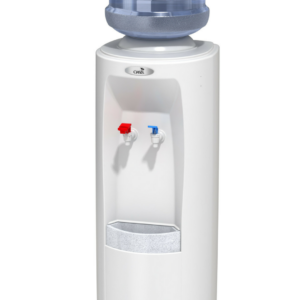
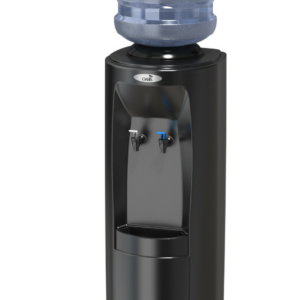
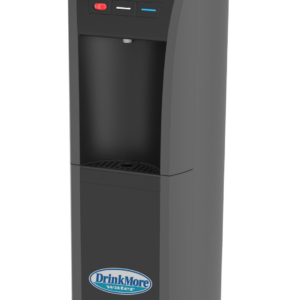
Customers can choose reusable 3- or 5-gallon bottles, including BPA-free plastic and glass options, along with a delivery frequency that fits their needs. Spill-proof caps help make bottle changes cleaner, while cooler rental and purchase options provide convenient access to hot, cold, or room-temperature water.
Local service from real people
DrinkMore combines scheduled delivery with live, local customer support. Flexible service and rush delivery when available help families and workplaces stay stocked without relying on cases of single-use plastic bottles.
How can you learn what is in your local tap water?
Using tap water instead of bottled water can save money, but the quality of drinking water still matters. Most public utilities publish annual Consumer Confidence Reports that identify the water source, list detected contaminants, and explain whether the system met applicable standards.
If you are concerned about taste, odor, hardness, lead, or a specific water contaminant, a certified water test can provide more information. Since water is vital to health and daily life, it is worth understanding your local water source, reviewing water quality reports, and choosing the option that best fits your preferences. For people who want purified water, dependable delivery, and friendly local support, DrinkMore Water offers a practical choice for homes and offices throughout the DMV.
What to Expect
Discover the Difference

30 years Experience

Fast Turnaround Time

Excellent Customer Service

State-Of-The-Art Purification

Made in the USA

Delivered to you!
Testimonials

“10 out of 10. Delivery guy is the best!”
“Excellent water, excellent service all around! Have been using them for years.”
“Very reliable company. Delivers as promised.”
“Everyone here is always nice and accommodating. Never waited and I get unloaded quickly.”
Request Form
We would love to hear from you! Please fill out this form and we will get in touch with you shortly.