Purified Water vs. Mineral Water: Which Should You Drink?
What’s the Difference Between Purified Water and Mineral Water?
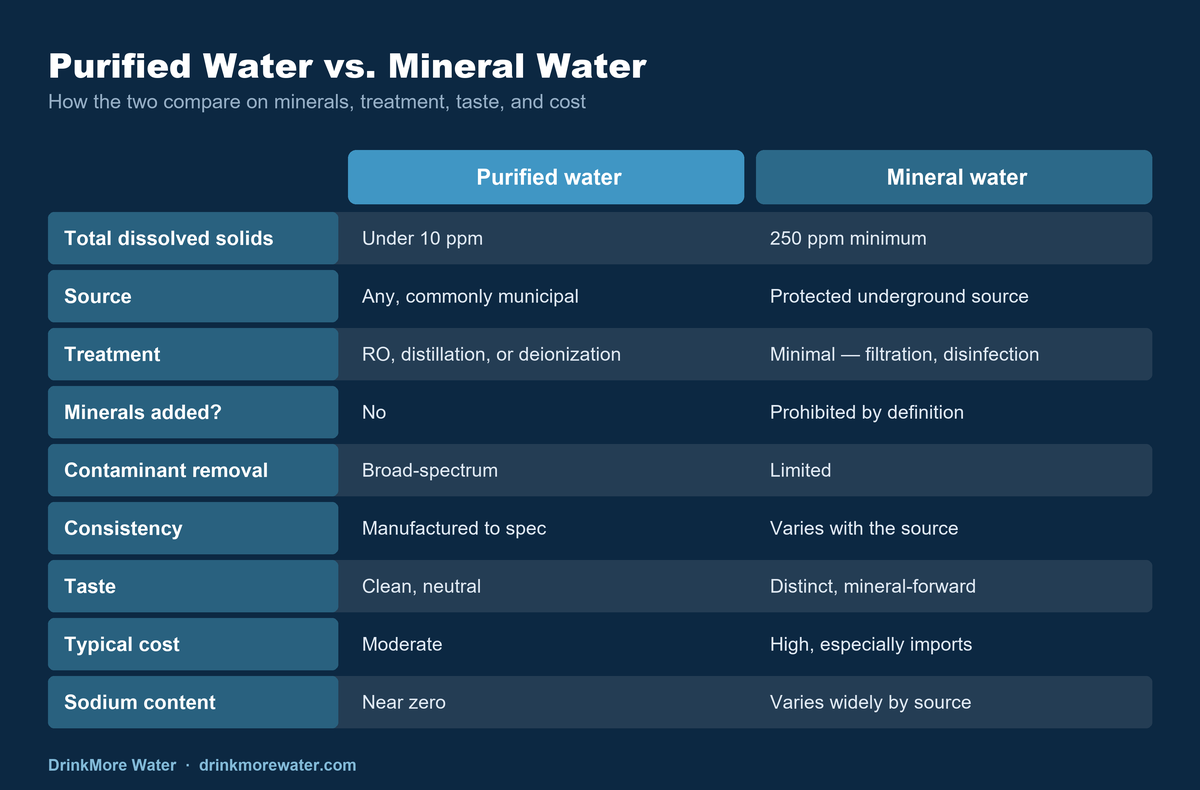
Purified water vs. mineral water is a comparison of opposites. Purified water is treated by reverse osmosis or distillation until it contains no more than 10 parts per million total dissolved solids. Mineral water must contain at least 250 ppm of dissolved minerals from its source, with nothing added. One removes everything dissolved; the other is defined by what stayed in.
How Are They Legally Defined?
Both terms carry FDA definitions, which makes this comparison more concrete than most.
Mineral water must come from a protected underground source and contain at least 250 parts per million total dissolved solids at the point of emergence. Critically, no minerals may be added — the mineral content has to be naturally present. If a bottler adds minerals, it isn’t mineral water.
Purified water must be produced by distillation, deionization, reverse osmosis, or a comparable process, and meet the U.S. Pharmacopeia standard of no more than 10 ppm total dissolved solids. The source doesn’t matter much once 99% of dissolved content is gone; it’s commonly municipal.
So the two categories sit at opposite ends of the same measurement. Mineral water has a floor of 250 ppm. Purified water has a ceiling of 10 ppm.
Purified Water vs. Mineral Water: Side by Side
For the full category landscape — spring, artesian, alkaline, distilled — see our pillar guide to the types of water.
Does Mineral Water Have Health Benefits?
It contains minerals your body uses. Whether that translates into a meaningful health benefit depends almost entirely on your diet.
Mineral water can supply calcium, magnesium, potassium, bicarbonate, and sodium, in amounts that vary enormously between sources. Some European mineral waters carry several hundred milligrams of calcium per liter; others carry very little.
Here’s the honest arithmetic. An adult needs roughly 1,000 mg of calcium daily. A liter of a calcium-rich mineral water might contribute 100–150 mg — a real contribution, but roughly what you’d get from a third of a cup of milk. A liter of typical mineral water contributes considerably less.
Some research suggests magnesium-rich mineral water may be a useful contributor for people with low dietary magnesium intake. That’s a genuine finding, and it’s also a narrow one: it applies to people whose intake is already marginal.
Where mineral water is genuinely worth considering: if your diet is low in dairy, leafy greens, nuts, and legumes, mineral water is a modest supplemental source. If your diet is reasonably varied, it isn’t moving your numbers.
Where the claims overreach: mineral water does not detoxify, boost metabolism, or improve hydration efficiency. Water hydrates. The mineral content doesn’t change that.
Does Purified Water Lack Something You Need?
This is the standard objection, and it deserves a direct answer rather than a deflection.
Yes — reverse osmosis removes calcium, magnesium, and every other dissolved mineral. The membrane cannot distinguish beneficial minerals from harmful ones; everything dissolved leaves together.
The nutritional significance is small for most people, for the same reason the mineral water case is modest: drinking water is a minor contributor to mineral intake compared with food. Dairy, leafy greens, nuts, canned fish with bones, legumes, and fortified foods do the heavy lifting.
If your diet is varied, purified water doesn’t change your mineral status. If you have a diagnosed deficiency, that’s a conversation with your physician about diet and supplementation, not something to solve through bottled water selection.
We look at the research more closely in our article on minerals in drinking water.
What About Sodium?
This is the one clinically relevant difference, and it’s often overlooked in these comparisons.
Some mineral waters contain substantial sodium — a few carry several hundred milligrams per liter. For most people that’s inconsequential. For anyone on a sodium-restricted diet for hypertension, heart failure, or kidney disease, it’s worth checking the label, because sodium content varies enormously between sources and isn’t obvious from the branding.
Purified water contains essentially none. For sodium-restricted diets, that’s a straightforward advantage.
Which Is Cleaner?
Purified water, measurably.
Reverse osmosis removes 95–99% of dissolved solids: lead, arsenic, nitrate, PFAS, pesticide residues, pharmaceutical traces, and microbiological contaminants. It’s one of few technologies that removes dissolved contaminants rather than just suspended particles. See what is reverse osmosis for how that works.
Mineral water receives minimal treatment by design — the minerals are the product, and aggressive treatment would remove them. The premise is a naturally protected source. Often that premise holds. But whatever else is dissolved in that aquifer stays in the bottle alongside the calcium.
The necessary caveat: “cleaner” is only demonstrable through testing. A mineral water with comprehensive published lab results is better verified than a purified water with none. The category tells you what treatment happened; only the lab report tells you what’s actually in the bottle.
That’s the question worth asking of any brand — including ours. We publish our complete Eurofins report, not a summary, on our water analysis page. And a detail worth carrying anywhere: a non-detect result is only meaningful next to the lab’s reporting limit. Non-detect at 20 ppt and non-detect at 2 ppt are very different claims.
Which Tastes Better?
They taste different, and preference genuinely splits.
Mineral water has body and character. Dissolved calcium, magnesium, and bicarbonate produce a distinct mouthfeel that some people specifically seek — it’s why mineral water pairs the way it does at the table.
Purified water tastes clean and neutral. Removing dissolved solids removes chlorine, metallic notes, and mineral character alike.
Blind judging is the fairest available test. The Berkeley Springs International Water Tasting, the longest-running competition of its kind, evaluates waters within their category across appearance, aroma, taste, mouthfeel, and aftertaste. DrinkMore Water won gold in the purified category at the 35th competition in February 2025 — our first year entering, against more than 80 entries from four continents. More on our awards page.
The practical test costs about eight dollars: buy one of each and see which bottle you finish.
Cost and Practicality
Mineral water is generally the more expensive category, and geography explains most of it. Mineral water must be bottled at its source, and the best-known sources are in Europe. Water is heavy. Shipping it across an ocean shows up in both the price and the carbon footprint.
Purified water can be produced regionally wherever there’s a suitable supply, which is why a local bottler can serve a metro area at lower cost with a delivery radius measured in miles rather than continents.
For household volume, delivery in returnable multi-gallon bottles is typically the lowest cost per gallon of any option, since you’re not paying for single-use packaging on every gallon.
Which Should You Choose?
Choose mineral water if you enjoy the taste, you want a modest supplemental mineral source and your dietary intake is genuinely low, and the brand publishes credible testing.
Choose purified water if you want maximum contaminant removal, batch-to-batch consistency, near-zero sodium, or you’d rather buy regionally than ship water internationally.
For either, ask for the complete lab report with reporting limits. That single habit tells you more than any category comparison.
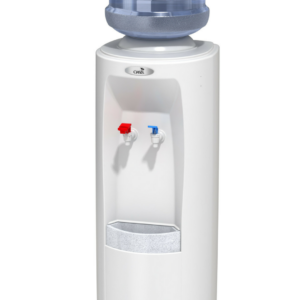
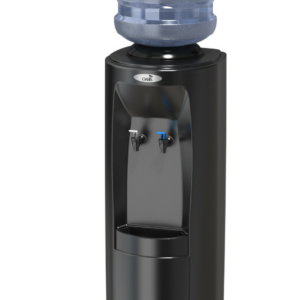
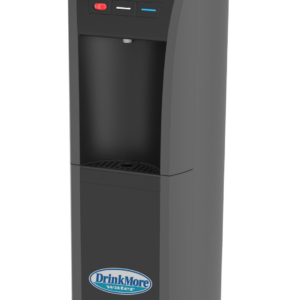
If purified water fits, our home water delivery service covers households across DC, Maryland, and Northern Virginia, and our bottleless water coolers purify at the point of use if you’d rather not handle bottles. Both are at DrinkMore Water. For offices, weddings, and events, DrinkMore Custom Water bottles the same water under your own label.
You can see how it’s made on our water purification process page — and the lab report should be the thing that decides it.
The Bottom Line: Purified Water vs. Mineral Water
Purified water vs. mineral water is a choice between removal and retention. Purified water contains under 10 ppm dissolved solids, removes contaminants broadly, stays consistent batch to batch, and contains virtually no sodium. Mineral water contains at least 250 ppm naturally occurring minerals, has a distinctive taste, and provides a modest supplemental mineral source.
Neither is universally better. For most people eating a varied diet, the mineral difference is nutritionally minor and the decision comes down to taste, verified purity, and cost.
Frequently Asked Questions
Is mineral water healthier than purified water?
Mineral water supplies calcium, magnesium, and other minerals, but in amounts modest relative to food. A liter of calcium-rich mineral water contributes roughly what a third of a cup of milk does. For people eating a varied diet, the difference is nutritionally minor. Purified water removes more contaminants.
What is the TDS of mineral water vs. purified water?
Mineral water must contain at least 250 parts per million total dissolved solids from its natural source, with many brands considerably higher. Purified water must contain no more than 10 ppm to carry that label. These are FDA definitions, placing the two categories at opposite ends of the same scale.
Does purified water cause mineral deficiency?
Not in people eating a varied diet. Drinking water supplies a small share of daily calcium and magnesium compared with dairy, leafy greens, nuts, legumes, and fortified foods. Anyone with a diagnosed deficiency should address it through diet and medical guidance rather than water selection.
Is mineral water high in sodium?
It varies enormously by source — some mineral waters contain several hundred milligrams of sodium per liter, others very little. Branding rarely indicates which. Anyone on a sodium-restricted diet should check the label. Purified water contains essentially no sodium, which is a clear advantage in that situation.
Can you add minerals to purified water?
Yes, and some bottlers do so for taste. Note that added minerals disqualify a product from the “mineral water” designation, which requires minerals to be naturally present at the source. Water with minerals added is typically labeled purified water with minerals added for taste.
Which is better for making coffee or tea?
Preferences differ. Some baristas prefer water with modest mineral content, since certain minerals aid extraction of coffee compounds. Others prefer purified water for consistency and because it prevents scale buildup in equipment. Very high-mineral water can cause both scaling and muddled flavor.
What to Expect
Discover the Difference

30 years Experience

Fast Turnaround Time

Excellent Customer Service

State-Of-The-Art Purification

Made in the USA

Delivered to you!
Testimonials

“10 out of 10. Delivery guy is the best!”
“Excellent water, excellent service all around! Have been using them for years.”
“Very reliable company. Delivers as promised.”
“Everyone here is always nice and accommodating. Never waited and I get unloaded quickly.”

Request Form
We would love to hear from you! Please fill out this form and we will get in touch with you shortly.